When people dream of an African safari, Tanzania is often the country that comes to mind. Home to the legendary Serengeti, the Great Migration, the majestic Ngorongoro Crater, and the snowy peak of Mount Kilimanjaro, a Tanzania safari is the definition of a once-in-a-lifetime adventure.
But with so many options—different national parks, safari tours, itineraries, and lodges—it can feel overwhelming to plan. Should you go on a luxury safari or a budget camping safari? Is the Serengeti better than Tarangire? When is the best time to witness the wildebeest migration?
In this guide, we’ll break it all down for you: the best Tanzania safari tours, the top wildlife destinations, essential planning tips, and what to expect when you set off on your African adventure. By the end, you’ll know exactly how to make your Tanzania safari unforgettable.
Why Choose a Tanzania Safari Over Other African Destinations?
Tanzania consistently ranks as one of the best safari destinations in Africa, and for good reason. The country offers:
- Diverse wildlife – from lions and leopards to elephants, rhinos, cheetahs, giraffes, and over 1,000 bird species.
- World-famous parks – including the Serengeti, Ngorongoro Crater, Tarangire, and Lake Manyara.
- Cultural encounters – with local communities such as the Maasai and Hadzabe.
- Varied safari styles – luxury lodges, mobile camps, self-drive, or guided small-group tours.
Unlike some African destinations, Tanzania’s national parks are vast, protected, and teeming with wildlife, giving travelers a more authentic safari experience.
Best National Parks and Game Reserves in Tanzania
Serengeti Safari: The Heart of Tanzania’s Wildlife Experience
The Serengeti is the crown jewel of Tanzania safaris. Famous for the Great Migration, this endless savannah hosts millions of wildebeest, zebras, and gazelles moving in search of fresh grazing.
A Serengeti safari tour offers year-round wildlife action:
- January–March: Calving season, when thousands of wildebeest give birth and predators lurk nearby.
- June–July: The dramatic river crossings at the Grumeti and Mara Rivers.
- October–December: Herds move south, followed by lions, leopards, and cheetahs.
Beyond the migration, the Serengeti is home to Africa’s “Big Five” (lion, leopard, elephant, rhino, buffalo), making it an essential stop on any Tanzania safari itinerary.
Ngorongoro Crater Safari: The World’s Largest Caldera
Just a short drive from the Serengeti lies the Ngorongoro Conservation Area, home to the Ngorongoro Crater. This natural wonder shelters a dense concentration of animals within its walls—making game viewing here almost guaranteed.
Highlights of a Ngorongoro safari tour include:
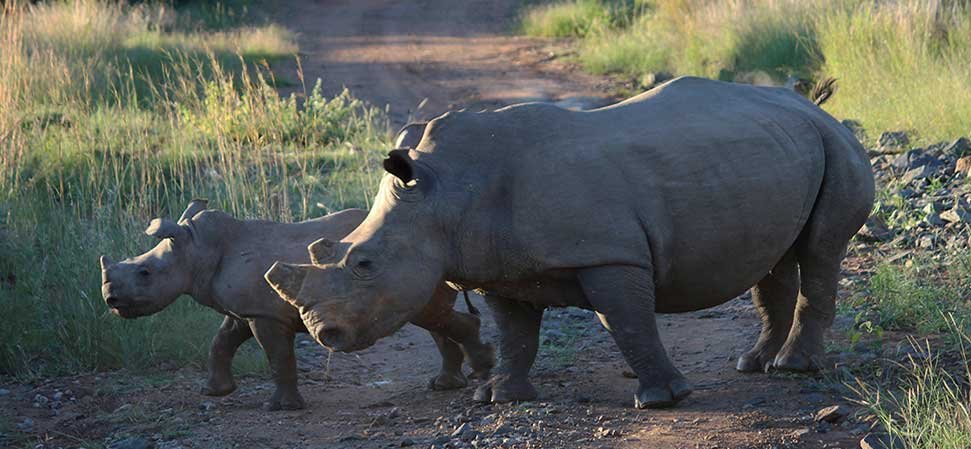
- High chances of spotting black rhinos.
- Huge herds of buffalo and wildebeest.
- Lions lounging on the crater floor.
- Flamingos along Lake Magadi.
It’s one of the few places where you can see so many animals in a single day.
Tarangire National Park: The Elephant Kingdom of Tanzania
Often overlooked by first-time visitors, Tarangire National Park is famous for its giant baobab trees and large elephant herds. In the dry season (June–October), animals gather around the Tarangire River, making for excellent game drives.
A Tarangire safari is perfect if you want:
- Close encounters with elephants.
- A less crowded safari experience.
- Stunning landscapes dotted with ancient baobabs.
Lake Manyara National Park: Tree-Climbing Lions and Bird Paradise
Small but diverse, Lake Manyara is an excellent stop on a northern Tanzania safari circuit. The park is known for its unusual tree-climbing lions, flocks of flamingos, and rich birdlife.
It’s a great introduction to wildlife safaris and a good stop for short tours.
Other Safari Destinations in Tanzania
- Selous Game Reserve (Nyerere National Park) – Remote and wild, ideal for boat safaris.
- Ruaha National Park – Known for predators and fewer tourists.
- Arusha National Park – Perfect for day safaris and walking safaris near Mount Meru.
Types of Tanzania Safari Tours
Luxury Tanzania Safari Tours
For those seeking comfort, luxury lodges and tented camps provide en-suite bathrooms, fine dining, and even infinity pools overlooking the savannah. Think champagne at sunset after a game drive.
Mid-Range and Lodge Safaris
A balance between comfort and affordability. You stay in lodges or permanent tented camps with comfortable beds and good meals, while still being close to nature.
Budget Camping Safaris
For adventurous travelers, budget Tanzania safaris involve camping inside or near the parks. Guides and cooks accompany you, providing simple meals and tents. It’s an affordable and immersive way to experience the bush.
Private vs. Group Safari Tours in Tanzania
- Private safaris offer flexibility and personalized itineraries.
- Group safaris are more budget-friendly and social, though less customizable.
How to Plan the Best Tanzania Safari
When Is the Best Time for a Tanzania Safari?
The best time depends on what you want to see:
- June–October (Dry Season): Best for general game viewing, fewer mosquitos, and the Great Migration river crossings.
- January–March (Calving Season): Wildebeest give birth, and predators are highly active.
- November–December (Short Rains): Lush landscapes with fewer tourists.
How Many Days Do You Need for a Tanzania Safari?
Most travelers spend 5 to 10 days on safari, depending on the parks they visit. A classic northern circuit safari (Serengeti, Ngorongoro, Tarangire, Lake Manyara) typically takes a week.
Choosing the Right Safari Operator in Tanzania
Safari quality depends heavily on your guide and operator. Look for:
- Licensed guides with local knowledge.
- Transparent pricing (park fees, accommodation, meals).
- Positive reviews and responsible tourism practices.
Essential Tanzania Safari Tips for First-Time Travelers
What to Pack for a Safari in Tanzania
- Neutral-colored clothing (avoid bright colors or dark blue).
- Comfortable walking shoes.
- A good camera with zoom lens.
- Sunscreen, hat, and sunglasses.
- Binoculars for birdwatching.
- Personal medications and insect repellent.
Health and Safety on a Tanzania Safari
- Take malaria precautions.
- Drink only bottled or filtered water.
- Always follow your guide’s instructions around wildlife.
- Travel insurance is strongly recommended.
Cultural Etiquette in Tanzania
Respect local customs when visiting villages or markets. Learn a few Swahili greetings such as “Jambo” (hello) and “Asante” (thank you).
Beyond the Safari: Other Adventures in Tanzania
A Tanzania safari pairs perfectly with other iconic experiences:
- Climbing Mount Kilimanjaro – The tallest mountain in Africa.
- Zanzibar Island – White sandy beaches, spice tours, and Stone Town heritage.
- Lake Victoria – Africa’s largest lake, perfect for fishing and cultural visits.
Why a Tanzania Safari Is Truly Unforgettable
A safari in Tanzania is more than a holiday—it’s a life-changing journey. From the roar of lions at dawn to the sight of a million wildebeest crossing the plains, every moment feels like stepping into a wildlife documentary.
Whether you choose a luxury Serengeti safari, a budget camping adventure, or a family-friendly Ngorongoro Crater tour, the experience will stay with you forever.
Final Thoughts: Is a Tanzania Safari Worth It?
Absolutely. Few destinations on Earth match Tanzania’s combination of wildlife, landscapes, and cultural encounters. Planning carefully—choosing the right time, parks, and operator—ensures your safari will not just meet but exceed expectations.
A Tanzania safari adventure is not only about spotting animals; it’s about connection—connection to nature, to local cultures, and to the raw beauty of Africa itself. Once you’ve witnessed the Serengeti sunrise or the elephants of Tarangire, you’ll understand why Tanzania is the heart of the safari world.