
Divine

Experience the Ultimate Tanzania Safari: Discover the Best Tours

When people dream of an African safari, Tanzania is often the country that comes to mind. Home to the legendary Serengeti, the Great Migration, the majestic Ngorongoro Crater, and the snowy peak of Mount Kilimanjaro, a Tanzania safari is the definition of a once-in-a-lifetime adventure.

But with so many options—different national parks, safari tours, itineraries, and lodges—it can feel overwhelming to plan. Should you go on a luxury safari or a budget camping safari? Is the Serengeti better than Tarangire? When is the best time to witness the wildebeest migration?

In this guide, we’ll break it all down for you: the best Tanzania safari tours, the top wildlife destinations, essential planning tips, and what to expect when you set off on your African adventure. By the end, you’ll know exactly how to make your Tanzania safari unforgettable.


Why Choose a Tanzania Safari Over Other African Destinations?

Tanzania consistently ranks as one of the best safari destinations in Africa, and for good reason. The country offers:

  • Diverse wildlife – from lions and leopards to elephants, rhinos, cheetahs, giraffes, and over 1,000 bird species.
  • World-famous parks – including the Serengeti, Ngorongoro Crater, Tarangire, and Lake Manyara.
  • Cultural encounters – with local communities such as the Maasai and Hadzabe.
  • Varied safari styles – luxury lodges, mobile camps, self-drive, or guided small-group tours.

Unlike some African destinations, Tanzania’s national parks are vast, protected, and teeming with wildlife, giving travelers a more authentic safari experience.


Best National Parks and Game Reserves in Tanzania

Serengeti Safari: The Heart of Tanzania’s Wildlife Experience

The Serengeti is the crown jewel of Tanzania safaris. Famous for the Great Migration, this endless savannah hosts millions of wildebeest, zebras, and gazelles moving in search of fresh grazing.

A Serengeti safari tour offers year-round wildlife action:

  • January–March: Calving season, when thousands of wildebeest give birth and predators lurk nearby.
  • June–July: The dramatic river crossings at the Grumeti and Mara Rivers.
  • October–December: Herds move south, followed by lions, leopards, and cheetahs.

Beyond the migration, the Serengeti is home to Africa’s “Big Five” (lion, leopard, elephant, rhino, buffalo), making it an essential stop on any Tanzania safari itinerary.

Ngorongoro Crater Safari: The World’s Largest Caldera

Just a short drive from the Serengeti lies the Ngorongoro Conservation Area, home to the Ngorongoro Crater. This natural wonder shelters a dense concentration of animals within its walls—making game viewing here almost guaranteed.

Highlights of a Ngorongoro safari tour include:

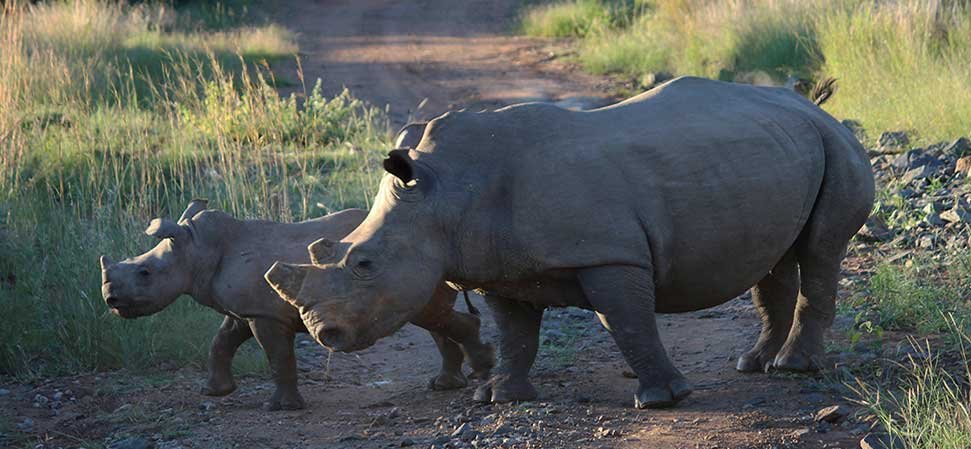
  • High chances of spotting black rhinos.
  • Huge herds of buffalo and wildebeest.
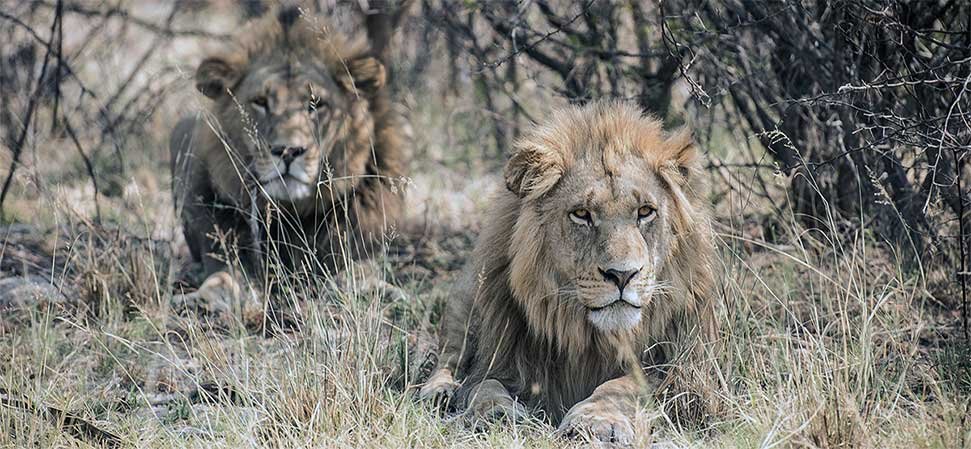
  • Lions lounging on the crater floor.
  • Flamingos along Lake Magadi.

It’s one of the few places where you can see so many animals in a single day.

Tarangire National Park: The Elephant Kingdom of Tanzania

Often overlooked by first-time visitors, Tarangire National Park is famous for its giant baobab trees and large elephant herds. In the dry season (June–October), animals gather around the Tarangire River, making for excellent game drives.

A Tarangire safari is perfect if you want:

  • Close encounters with elephants.
  • A less crowded safari experience.
  • Stunning landscapes dotted with ancient baobabs.

Lake Manyara National Park: Tree-Climbing Lions and Bird Paradise

Small but diverse, Lake Manyara is an excellent stop on a northern Tanzania safari circuit. The park is known for its unusual tree-climbing lions, flocks of flamingos, and rich birdlife.

It’s a great introduction to wildlife safaris and a good stop for short tours.

Other Safari Destinations in Tanzania

  • Selous Game Reserve (Nyerere National Park) – Remote and wild, ideal for boat safaris.
  • Ruaha National Park – Known for predators and fewer tourists.
  • Arusha National Park – Perfect for day safaris and walking safaris near Mount Meru.

Types of Tanzania Safari Tours

Luxury Tanzania Safari Tours

For those seeking comfort, luxury lodges and tented camps provide en-suite bathrooms, fine dining, and even infinity pools overlooking the savannah. Think champagne at sunset after a game drive.

Mid-Range and Lodge Safaris

A balance between comfort and affordability. You stay in lodges or permanent tented camps with comfortable beds and good meals, while still being close to nature.

Budget Camping Safaris

For adventurous travelers, budget Tanzania safaris involve camping inside or near the parks. Guides and cooks accompany you, providing simple meals and tents. It’s an affordable and immersive way to experience the bush.

Private vs. Group Safari Tours in Tanzania

  • Private safaris offer flexibility and personalized itineraries.
  • Group safaris are more budget-friendly and social, though less customizable.

How to Plan the Best Tanzania Safari

When Is the Best Time for a Tanzania Safari?

The best time depends on what you want to see:

  • June–October (Dry Season): Best for general game viewing, fewer mosquitos, and the Great Migration river crossings.
  • January–March (Calving Season): Wildebeest give birth, and predators are highly active.
  • November–December (Short Rains): Lush landscapes with fewer tourists.

How Many Days Do You Need for a Tanzania Safari?

Most travelers spend 5 to 10 days on safari, depending on the parks they visit. A classic northern circuit safari (Serengeti, Ngorongoro, Tarangire, Lake Manyara) typically takes a week.

Choosing the Right Safari Operator in Tanzania

Safari quality depends heavily on your guide and operator. Look for:

  • Licensed guides with local knowledge.
  • Transparent pricing (park fees, accommodation, meals).
  • Positive reviews and responsible tourism practices.

Essential Tanzania Safari Tips for First-Time Travelers

What to Pack for a Safari in Tanzania

  • Neutral-colored clothing (avoid bright colors or dark blue).
  • Comfortable walking shoes.
  • A good camera with zoom lens.
  • Sunscreen, hat, and sunglasses.
  • Binoculars for birdwatching.
  • Personal medications and insect repellent.

Health and Safety on a Tanzania Safari

  • Take malaria precautions.
  • Drink only bottled or filtered water.
  • Always follow your guide’s instructions around wildlife.
  • Travel insurance is strongly recommended.

Cultural Etiquette in Tanzania

Respect local customs when visiting villages or markets. Learn a few Swahili greetings such as “Jambo” (hello) and “Asante” (thank you).


Beyond the Safari: Other Adventures in Tanzania

A Tanzania safari pairs perfectly with other iconic experiences:

  • Climbing Mount Kilimanjaro – The tallest mountain in Africa.
  • Zanzibar Island – White sandy beaches, spice tours, and Stone Town heritage.
  • Lake Victoria – Africa’s largest lake, perfect for fishing and cultural visits.

Why a Tanzania Safari Is Truly Unforgettable

A safari in Tanzania is more than a holiday—it’s a life-changing journey. From the roar of lions at dawn to the sight of a million wildebeest crossing the plains, every moment feels like stepping into a wildlife documentary.

Whether you choose a luxury Serengeti safari, a budget camping adventure, or a family-friendly Ngorongoro Crater tour, the experience will stay with you forever.


Final Thoughts: Is a Tanzania Safari Worth It?

Absolutely. Few destinations on Earth match Tanzania’s combination of wildlife, landscapes, and cultural encounters. Planning carefully—choosing the right time, parks, and operator—ensures your safari will not just meet but exceed expectations.

A Tanzania safari adventure is not only about spotting animals; it’s about connection—connection to nature, to local cultures, and to the raw beauty of Africa itself. Once you’ve witnessed the Serengeti sunrise or the elephants of Tarangire, you’ll understand why Tanzania is the heart of the safari world.
Divine

The Best Time for Serengeti Wildebeest Migration: A Dry Season Safari Guide

Understanding the Serengeti Migration

The Serengeti wildebeest migration is one of nature’s most remarkable spectacles, captivating the attention of wildlife enthusiasts and ecologists alike. This annual journey involves over a million wildebeest along with hundreds of thousands of zebras and gazelles, all navigating the vast plains of the Serengeti in search of fresh grazing grounds and water sources. The significance of this migration transcends mere animal movement; it plays a critical role in shaping the region’s ecosystem, influencing both flora and fauna along the way.

The life cycle of the wildebeest is intricately linked to this migratory pattern, which typically follows a cyclical route dictated by seasonal rainfall. The herds begin their journey in the southwestern Serengeti, where they calve between January and March, taking advantage of the nutritious grasses that sprout during the short rainy season. As the rains yield to the onset of the dry season, the wildebeest travel northward, traversing the extensive plains in search of sustenance. This migration not only aids in the survival of the wildebeest but also affects various other species that share their habitat, creating a dynamic interplay within the ecosystem.

In addition to the wildebeest, the migration impacts predators such as lions, cheetahs, and hyenas, who follow the herds, relying on them as a primary food source. As the wildebeest graze through the region, they also contribute to soil fertility through their grazing patterns and manure, further supporting the ecosystem’s health. This synchronized movement not only shapes the biodiversity of the Serengeti but also alters the landscape itself, as grazing animals promote grass growth and maintain the balance of the savanna. Understanding these multifaceted interactions enhances appreciation for the Serengeti migration, providing a backdrop for identifying optimal times to witness this extraordinary journey.

The Dry Season: What to Expect

The dry season in the Serengeti is a critical period for the famed wildebeest migration, typically occurring from June to October. During this time, the climatic conditions change significantly, impacting the behavior and movements of the wildlife. The temperatures generally range from 20°C to 30°C (68°F to 86°F), with notably lower humidity levels than in the wet season. These temperatures, combined with the scarcity of rainfall, create a distinct environment that influences both flora and fauna.

As the dry season progresses, water sources become increasingly limited, prompting wildebeests and other herbivores to search for more favorable grazing lands. The drought conditions compel these animals to migrate towards areas where water and fresh grass are still available, often leading them to the north and west parts of the Serengeti. This migration not only showcases the resilience of wildlife but also highlights the interconnectedness of different species within the ecosystem. As the landscapes dry up, various waterholes attract large concentrations of animals, providing excellent opportunities for wildlife viewing.

Moreover, the unique landscapes of the Serengeti during the dry season present a tapestry of earthy tones, with golden grasses and sparse vegetation revealing the underlying geography. The visibility improves dramatically, thanks to the clearing of foliage, allowing for exceptional observation of wildlife from various vantage points. Visitors during this time can witness dramatic scenes of predator-prey interactions, as hungry carnivores take advantage of the concentrated populations of ungulates. The combination of climatic conditions, migration patterns, and captivating scenery creates an unparalleled safari experience for those who choose to embark on a journey through the Serengeti during the dry season.

Best Viewing Times for the Migration

The Serengeti wildebeest migration is a spectacular natural event that unfolds throughout the year, yet certain months are particularly favorable for viewing. The dry season, which typically spans from June to October, is widely considered the best time for tourists to observe the migration, as large herds of wildebeest gather in the northern regions of the Serengeti and the Maasai Mara, taking advantage of the scarce water supply.

In June, the wildebeest begin their movement towards the northern grazing areas, driven by the need for fresh grass. As they travel, the herds can be seen in significant numbers, especially near the Seronera Valley, which acts as a central point for sightings. The peak viewing period correlates with July, when the wildebeest prepare for the iconic river crossings. This is an action-packed time when thousands of wildebeest face the dangers of crossing the Mara River, providing thrilling opportunities for wildlife photographers and enthusiasts alike.

August often continues with the crossing spectacle, as herds remained scattered across the Kenyan border. This is a pivotal time to witness the drama of nature in action. By September, the wildebeest start heading south again, making their way back to the central Serengeti. During this period, the sight of thousands of wildebeest on the plains becomes more frequent, especially around the Ngorongoro Conservation Area.

October marks the beginning of the calving season, where new life emerges amidst the herds. This event typically attracts predators, making it an exciting time for safari-goers keen on spotting interactions between species. It’s important to plan trips strategically during these months to maximize the chances of witnessing the vibrant phases of the migration, as the opportunities for viewing wildlife during these periods are unparalleled. Engaging with knowledgeable safari guides can further enrich the experience, providing invaluable insights into the behaviors and movements of these fascinating creatures.

Planning Your Dry Season Safari Experience

Planning a dry season safari in the Serengeti is an exciting endeavor that requires careful consideration and preparation. The dry season, typically occurring from June to October, is the optimal time to witness the mesmerizing wildebeest migration. For a successful trip, selecting the right accommodations is crucial. Consider options ranging from luxury lodges to mobile camps that can be relocated to provide proximity to the herds. Booking well in advance is advisable, as accommodations can fill up quickly during peak migration months.

When preparing for your safari, it is essential to be aware of any necessary permits. Generally, a park entry fee is required, and this can vary based on the duration of your stay and the areas within the Serengeti you plan to explore. Engaging with a reputable tour operator can streamline this process, as they can facilitate the necessary permits and ensure compliance with local regulations.

Choosing an experienced safari guide is another important aspect of planning your experience. Look for guides who specialize in migration viewing and possess in-depth knowledge of the Serengeti’s ecosystems. A knowledgeable guide can enhance your experience by providing insights into animal behavior and the best locations for viewing the migration.

Sustainable tourism practices should be at the forefront of your planning. Engage in low-impact practices while enjoying your safari. This includes respecting wildlife, maintaining a safe distance from animals, and adhering to park guidelines. Being mindful of your environmental footprint ensures that the Serengeti’s beauty and biodiversity remain preserved for future visitors.

By planning thoughtfully and engaging with the Serengeti responsibly, you can create a memorable dry season safari experience that showcases the spectacular wildlife while contributing to the conservation of this remarkable ecosystem.