The Best Time to Climb Mount Kilimanjaro: A Guide to the Dry Season
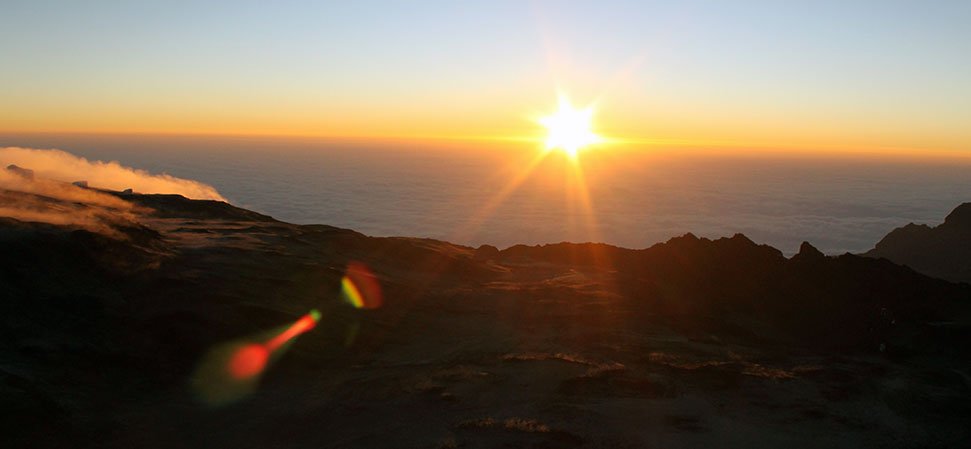
You’ve just crested the final ridge, the first rays of dawn painting the African horizon in hues of gold and pink, and there it is, Uhuru Peak, the snow-kissed crown of Kilimanjaro, all yours under a vast, unclouded sky. No fog, no freezing rain lashing your face, just pure triumph. If that’s the summit experience you’re chasing, then hear me out: the dry seasons are your golden ticket. From December to mid-March and late June to October, Mount Kilimanjaro transforms from a formidable beast into a welcoming giant, with trails that beg to be explored and views that etch themselves into your soul. In this in-depth guide, I’ll walk you through every nuance of why these dry windows reign supreme for Kilimanjaro climbing expeditions, drawing on real trekker tales, expert stats, and practical wisdom to convince you that timing your ascent here isn’t optional—it’s the difference between a grueling ordeal and a life-altering victory. Whether you’re lacing up boots for the first time or plotting a return, let’s unpack how to make your Kilimanjaro hike in dry conditions an epic win.
At 5,895 meters, Kilimanjaro isn’t just Africa’s highest point; it’s a vertical odyssey through five distinct ecological realms, from steamy rainforests to barren alpine deserts. Its equatorial perch means no classic winter or summer, just alternating wet and dry spells that dictate everything from trail grip to summit euphoria. The dry seasons deliver the goods: scant rain, stellar visibility, and temps that, while variable, stay manageable. Wet months? They’re a gamble with mudslides, chills, and success rates that plummet. Sticking to dry periods bumps your odds of bagging the summit to 70-85%, depending on your route and prep. Trust me, after chatting with dozens of climbers who’ve braved both, the consensus is clear: dry season Kilimanjaro ascents are safer, more scenic, and downright more fun.
We’ll dive deep here—covering weather breakdowns, month-by-month breakdowns, unbeatable perks, what to expect on the ground, planning hacks, and pitfalls to dodge. By the end, you’ll be itching to book that flight to Tanzania.
Deciphering Kilimanjaro’s Climatic Cycles for Successful Dry Season Treks
Kilimanjaro’s weather is a shape-shifter, influenced by trade winds, monsoons, and its massive altitude gradient. Temps drop roughly 6°C for every 1,000 meters you gain, so pack for polar plunges even in “warm” dry spells. The mountain’s zones amplify this: the cultivation belt at the base hums with 21-27°C days, while the summit can nosedive to -20°C under starry nights.
Contrasting Dry Intervals and Rainy Episodes in Kilimanjaro Hiking Ventures
Dry phases, those two key windows, usher in mostly blue skies, with rain chances under 10% most days. Trails firm up, letting you hike without constant vigilance against slips, and the air feels crisp, not cloying. Wet seasons flip the script: April-May’s “long rains” dump 200-300mm monthly, turning paths into rivers and spiking hypothermia risks by 30-50% as damp clothes steal body heat. November’s shorter deluges are erratic but still fog-shrouded nightmares, slashing visibility and morale. One trekker I know pushed through May rains on the Machame route, saying it felt like wading through soup, with zero views and a bailout at Barranco Camp. Dry? She summited twice over, grinning ear-to-ear. The data backs it: wet-season success hovers at 40-50%, versus dry’s reliable 70%+.
Beyond safety, dry weather preserves the mountain’s magic. Flowers bloom vibrantly in the heath zone, monkeys chatter without the patter of rain, and sunsets over Mawenzi’s crags? Unrivaled. Rainy hikes might save you bucks on permits (off-peak discounts), but the toll on your body and wallet, from extra gear repairs to potential evacuations, rarely justifies it.
Premier Timeframes for Kilimanjaro Summits in Arid Weather Windows
Zeroing in on the dry duo: the short burst from December to mid-March, and the extended run from late June to October. Each has its flavor—warmer vibes in the former, cooler clarity in the latter—but both outshine the alternatives.
December to Mid-March: Cozy Dry Span for Thrilling Kilimanjaro Peak Conquests
Kicking off post-rains, December eases you in with balmy 25-30°C base temps and just 50mm of precip, ideal for festive climbs tying into holidays. New Year’s summits? Crowded but electric, with fireworks echoing from Arusha below. January and February crank up the appeal: minimal clouds mean 360-degree panoramas, and daytime highs in the moorland zone hit 15-20°C, thawing any summit-night chills. Success rates peak here at 75-85% on acclimatization-friendly routes, thanks to steady weather letting your body adjust sans stress. Early March holds strong until the 15th, when showers hint at April’s onslaught, grab it for shoulder-season deals and fewer queues at Stella Point.
What seals the deal? That rare summit snow dusts the crater rim, turning your photos into winter wonderland stunners without the full freeze. A buddy of mine hit Uhuru on Valentine’s Day ’23—said the warmth let him linger, toasting with porters under equatorial stars. If you’re a newbie or heat-seeker, this dry pocket’s your match.
Late June to October: Prolonged Arid Phase for Spectacular Kilimanjaro Trail Experiences
Revving up in late June after brief November-ish rains, this long dry stretches into July-August’s high season frenzy. Expect bone-dry air (under 20mm rain monthly), but brace for chillier starts—base temps dip to 20°C, summits flirt with -15°C. July’s the crisp king: clear as glass, with wildflowers rioting in the alpine desert. August mirrors it but amps crowds, syncing with European summers. By September, throngs thin, visibility sharpens (think horizon-to-horizon savanna sweeps), and October caps it with lengthening days and a gentle warm-up before November’s tease.
Cooler than the southern dry? Sure, but that nips humidity in the bud, making rainforest slogs breezier. Success? Still sky-high, 70-80%, especially on 8-day itineraries. One group I followed online summited in September ’24, raved about elephant sightings from Shira Plateau, impossible in muggy months. For solitude seekers or wildlife chasers, late dry is the sweet spot.
Perks of Targeting Dry Seasons for Your Kilimanjaro Ascent Adventure
Why evangelize dry climbs? It’s not hype—it’s the edge that turns 65% overall success into your personal 90%.
Amplified Security Protocols and Summit Triumph Percentages in Prime Kilimanjaro Atmospherics
Dry trails slash fall risks by 40%, per guide reports, no slick rocks or hidden puddles to ambush you on Lava Tower’s scrambles. Altitude acclimatization flows smoother without weather-induced fatigue, pushing rates to 85% on 7+ day paths. Wet seasons? They compound AMS symptoms, dropping summits to under 50% as climbers tap out exhausted. Dry lets you heed the “pole pole” mantra, conserving oxygen for the big push. Safety stats from operators like Ultimate Kilimanjaro show zero weather-related evacuations in peak dry versus dozens annually in rains.
Jaw-Dropping Vistas and Capture Opportunities Beneath Kilimanjaro’s Unobscured Dry Canopies
Fog-free days unveil the mountain’s soul: Kibo’s glaciers glinting like diamonds, Meru’s silhouette framing the east. Photogs feast, crisp light flatters every frame, from colobus monkeys in the forest to protea blooms on the heath. Full-moon dry ascents? Ethereal, with lunar glow guiding midnight marches. One climber shared her October shot of the crater rim at sunrise, viral gold, convincing her skeptics it was “totally doable.”
Bonus: Group dynamics thrive. Sunny camps foster stories around fires, forging bonds that outlast the trek.
Economic and Ecological Upsides of Dry Weather Kilimanjaro Expeditions
Dry aligns with safari primes, pair your climb with Serengeti migrations for combo deals under $5,000. Ecologically, lighter foot traffic on the shoulders spares fragile high-altitude soils. And costs? Permits hold steady, but off-peak dry (June/October) shaves 10-20% off packages.
Forecasting Atmospherics Along Kilimanjaro Routes in Arid Periods
Variability’s the name, even dry isn’t drought. Pack versatile.
Thermal Shifts Through Kilimanjaro’s Vertical Layers During Dry Climbs
- Cultivation Zone (800-1,800m): 21-32°C days, 4-15°C nights, tropical tease.
- Rainforest (1,800-2,800m): 21-32°C days, steamy but drier; watch for mist.
- Heath/Moorland (2,800-4,000m): 10-20°C days, 0-10°C nights, layer central.
- Alpine Desert (4,000-5,000m): 5-15°C days, -5 to -10°C nights, wind howls.
- Arctic Summit (5,000+m): -5 to -20°C, wind-chill to -30°C, down jackets mandatory.
December-March skews 5-10°C warmer overall; June-October, cooler but less humid.
Intermittent Precip Even in Kilimanjaro’s Choice Dry Hiking Seasons
Afternoon thundershowers hit 20% odds in lower zones, quick 30-minute affairs. Summit? Rare flurries add thrill, not terror. Ponchos and dry bags are non-negotiables.
Blueprints for Crafting Your Ideal Dry Season Kilimanjaro Trek
Nail the logistics for seamless success.
Selecting Premier Pathways for Kilimanjaro Dry Weather Hikes
- Lemosho Route (7-8 days, 85% success): Scenic stunner through shire plains, dry perfection for acclimatization.
- Machame “Whiskey” Route (6-7 days, 75-85%): Twisty trails, moorland magic; dry visibility elevates the drama.
- Rongai Route (6-7 days, 70%): Northern approach, drier by nature, elephant herds bonus.
- Northern Circuit (8-9 days, 90%+): Ultimate acclimizer, remote vibes; shoulder dry shines.
Shorter? Marangu’s hut comfort, but 50% success—skip for dry primes.
Vital Equipment Arsenal for Navigating Kilimanjaro’s Dry Climate Variances
- Layers: Merino base, fleece mid, Gore-Tex shell, puffy for summit.
- Footwear: Waterproof boots, gaiters for dust.
- Sleep: -15°C bag, thermarest pad.
- Essentials: Poles, UV shades, 4L hydration, AMS meds (Diamox).
- Tech: Headlamp, power bank, dry means solar-friendly.
Fitness Regimens and Prep Tactics for Dry Season Kilimanjaro Challenges
Train 3-6 months: Stair climbs with packs, weekend hikes building to 20km. Cardio for lungs, strength for knees. Hydrate like a pro, 3L daily on-mountain. Mental prep? Visualize that summit under dry stars.
Sidestepping Frequent Blunders in Timing Your Kilimanjaro Dry Ascent
Peak July? Gridlock at camps, opt September. Underpack warmth? Summit shivers await. Ignore rest days? AMS ambush. And post-climb? Dry seasons sync with Ngorongoro’s herds—don’t miss the safari sequel.
In the end, embracing Kilimanjaro’s dry seasons isn’t about dodging rain; it’s about unlocking the mountain’s full glory, stacking every odd in your favor for that soul-stirring summit. With safer steps, sharper sights, and stats-proven success, why settle for less? Chart your course for December-March or June-October, rally your gear, and step into the adventure that redefines “peak” performance. Uhuru calls, answer it dry and triumphant!