Conquering Kilimanjaro: Is Climbing Africa’s Rooftop More Challenging Than You Think
Mount Kilimanjaro, Africa’s tallest mountain, is a name that sparks both awe and curiosity. Towering at 5,895 meters (19,341 feet) above sea level, it has earned the nickname “The Roof of Africa.” Every year, thousands of adventurers set their sights on this iconic peak, drawn by its snow-capped summit and the dream of standing on top of a continent. Yet behind the dream lies a pressing question: Is climbing Kilimanjaro more difficult than it seems?
For many, Kilimanjaro is the ultimate bucket-list experience—accessible yet unpredictable, beautiful yet demanding. Unlike other famous peaks, it doesn’t require technical mountaineering skills or ropes. But while it may not be Everest or K2, conquering Kilimanjaro still requires mental grit, physical endurance, and preparation.
In this article, we’ll break down what it truly takes to climb Mount Kilimanjaro, separating the myths from the realities. Whether you’re a curious traveler, an aspiring mountaineer, or simply someone looking for inspiration, this deep dive will help you understand if you’re ready to face Africa’s rooftop.
Understanding Mount Kilimanjaro’s Unique Challenge
Kilimanjaro is unlike most mountains. It’s not part of a range but a free-standing giant in northern Tanzania. Its beauty lies in its diversity: climbers journey from tropical rainforest to alpine desert, finally stepping onto an icy summit. But the real test isn’t just the distance or the cold—it’s the altitude.
Altitude Sickness: The Hidden Enemy on Mount Kilimanjaro
Climbing Kilimanjaro is not considered a technical climb, but altitude sickness is the single greatest challenge. Oxygen levels at the summit are less than half of what they are at sea level. This drastic change often triggers symptoms such as headaches, nausea, dizziness, and fatigue.
Even the fittest athletes are not immune. Altitude affects everyone differently, which means preparation isn’t just about fitness—it’s about allowing your body enough time to acclimatize. This is why choosing the right route and itinerary is critical.
The Myth of “Easy” Climbing Kilimanjaro
Some travel brochures describe Kilimanjaro as a “walkable” mountain, and technically, that’s true. Most routes are trekking paths, not sheer rock climbs. But this description often misleads people into underestimating the challenge. Walking at high altitude, day after day, with little rest and fluctuating temperatures is no ordinary hike.
It’s not the steepness of the trail that breaks most people—it’s the combination of thin air, exhaustion, and cold nights in a tent.
Preparing for the Roof of Africa: Fitness, Training, and Mental Readiness
How Fit Do You Need to Be to Climb Mount Kilimanjaro?
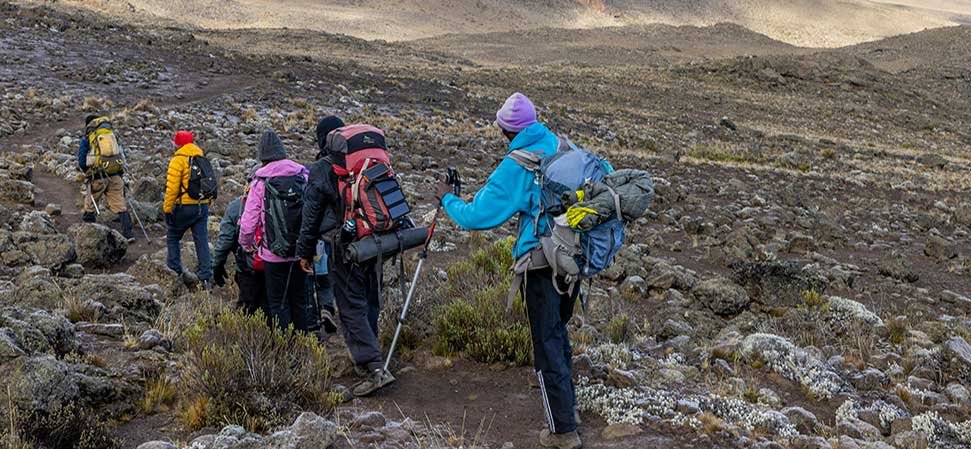
You don’t need to be a marathon runner or professional athlete to summit Kilimanjaro, but you do need a solid level of physical fitness. Trekking for 6–8 hours a day with a backpack requires stamina. The goal is to train your body for endurance rather than speed.
Recommended preparation includes:
- Cardio training: long walks, running, swimming, or cycling.
- Strength training: building leg and core strength to handle uneven terrain.
- Hiking practice: taking long treks with a weighted pack.
Why Mental Preparation is Just as Important
Kilimanjaro tests more than just your legs. The mountain demands resilience. There will be cold nights, little sleep, and moments of doubt. Success often depends on a climber’s mindset. Staying positive, pushing through discomfort, and keeping your eyes on the summit can make all the difference.
Choosing the Best Route Up Kilimanjaro
Kilimanjaro offers multiple routes, each with its own level of difficulty, scenery, and acclimatization opportunities. Picking the right one can mean the difference between success and failure.
The Marangu Route: “The Coca-Cola Route”
Known for its hut accommodations, this is considered the easiest path. But its quick ascent gives the body little time to acclimatize, which lowers summit success rates.
The Machame Route: “The Whiskey Route”
This popular choice is scenic and more challenging, with steeper sections. It provides better acclimatization, making it a strong option for those determined to summit.
The Lemosho and Northern Circuit Routes: The Long Game
These are longer, quieter routes with excellent acclimatization opportunities. They are ideal for climbers who want to increase their chances of success while enjoying breathtaking scenery.
Rongai and Umbwe Routes: For the Adventurous
The Rongai route approaches Kilimanjaro from the north and is less crowded, while Umbwe is steep and direct—best suited for experienced trekkers seeking a challenge.
Life on the Mountain: What to Expect Day by Day
The Changing Climate Zones of Kilimanjaro
One of the most remarkable aspects of the climb is passing through five ecological zones:
- Cultivation Zone – lush farmland at the base.
- Rainforest Zone – humid jungle filled with wildlife.
- Heather and Moorland Zone – cooler with exotic plants.
- Alpine Desert Zone – dry, rocky, and harsh.
- Arctic Zone – icy summit with glaciers.
Each zone feels like a different world, making the trek both physically demanding and visually unforgettable.
Food, Water, and Sleeping on Kilimanjaro
Climbers are usually supported by experienced guides, porters, and cooks. Meals are hearty—soups, rice, pasta, and vegetables—to keep energy levels high. Water is boiled for safety. Sleep happens in tents, with temperatures dropping below freezing at higher altitudes.
Summit Night: The Final Push to Uhuru Peak
The toughest part of climbing Kilimanjaro is summit night. After days of trekking, climbers wake around midnight to begin the final ascent. The climb is slow, cold, and exhausting. Temperatures can plummet to -20°C (-4°F) with strong winds.
The path is steep, and progress feels painfully slow in the thin air. Many question their decision to climb at this point. But as the sun rises over the African horizon, energy returns. The sight of the glaciers glowing in morning light gives a powerful boost of determination.
Finally, after hours of struggle, climbers reach Uhuru Peak—the highest point in Africa. The view is overwhelming: endless plains stretching far below, glaciers shimmering at eye level, and the deep sense of triumph that only comes from pushing past your limits.
Success Rates and Why People Fail to Summit Kilimanjaro
It’s important to be realistic. Kilimanjaro has an average summit success rate of 65%. Longer routes with gradual ascents can raise that to over 85%, while shorter routes often drop below 50%.
Reasons climbers fail include:
- Altitude sickness: pushing too quickly without acclimatization.
- Poor preparation: lack of fitness or inadequate gear.
- Mental fatigue: underestimating the psychological challenge.
Those who prepare well and choose the right route dramatically improve their chances.
Why Climb Kilimanjaro Despite the Challenge?
A Journey of Transformation
Climbing Kilimanjaro isn’t just about reaching the summit—it’s about the journey. Each step builds resilience, patience, and appreciation for nature’s grandeur. The climb is often described as life-changing, with many climbers returning home with newfound confidence and perspective.
Standing on Africa’s Roof: A Reward Beyond Words
The moment at Uhuru Peak is more than a photo opportunity. It’s a testament to human endurance. The mountain strips away distractions and leaves climbers face-to-face with their strength and determination.
Final Thoughts: Is Kilimanjaro More Challenging Than You Think?
Yes—and that’s what makes it unforgettable. Kilimanjaro may not require ropes or crampons, but it demands respect. The altitude, the cold, the exhaustion, and the mental battle make it one of the most rewarding challenges a person can undertake.
Climbing Mount Kilimanjaro is not easy, but it is achievable for anyone with determination, preparation, and the right mindset. The mountain calls not to the strongest, but to those willing to take one step at a time, no matter how hard the journey becomes.
For those who dare, Kilimanjaro is more than a mountain. It’s a proving ground, a dream realized, and a reminder that sometimes the toughest paths lead to the most breathtaking views.